A Beginner's Guide To Guild Wars: Reforged For Guild Wars 2 Players
(Re)-forge Your Legend in ArenaNet's First Game
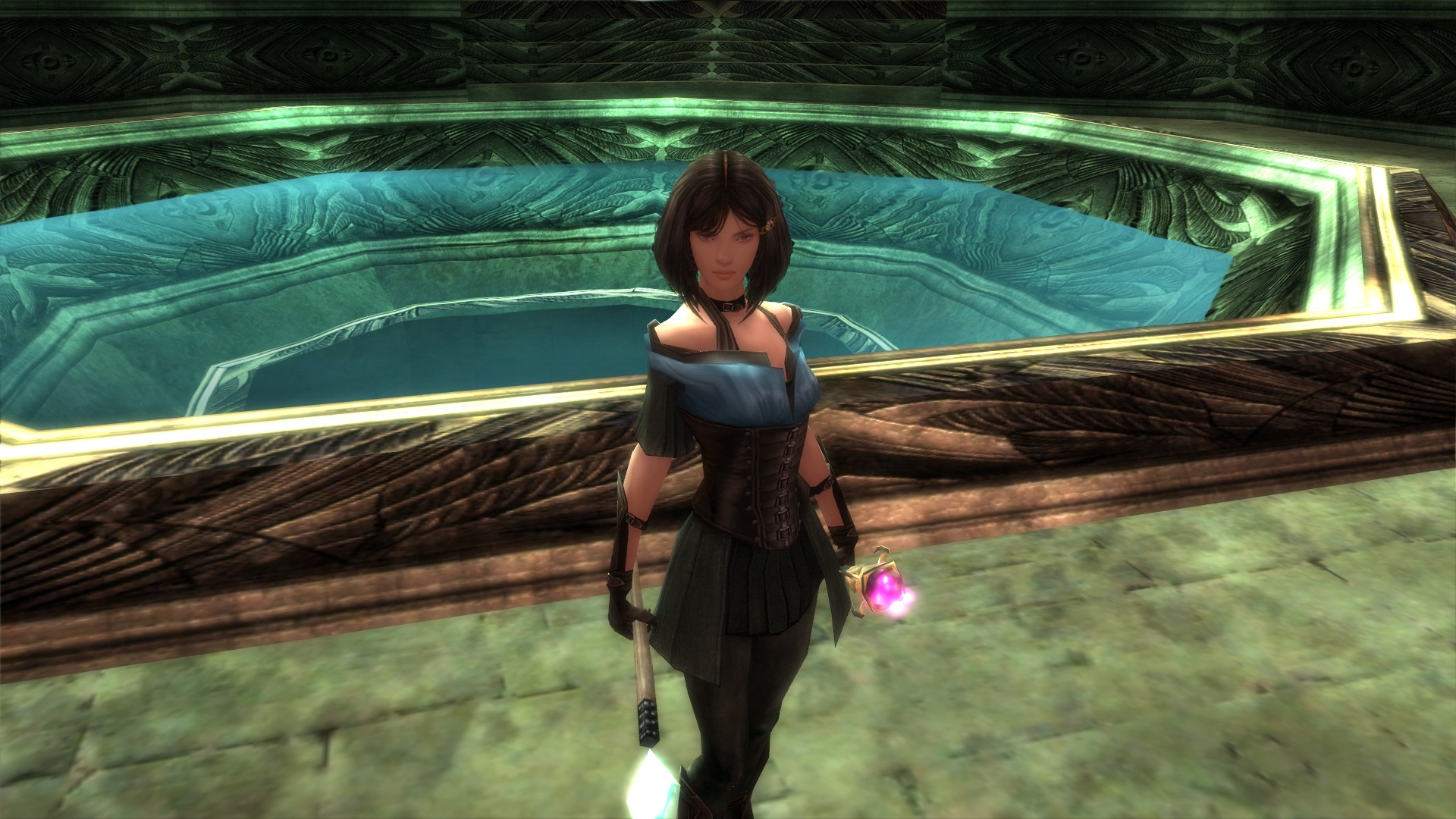
If it’s a year ending in “5,” then it must be time for a big release in the Guild Wars universe. 2015 saw the launch of the first Guild Wars 2 expansion, Heart of Thorns, and – even though we didn’t know it at the time – it wound up sandwiched between the original Guild Wars, released in 2005, and Guild Wars: Reforged, which launched last week.
While lots of GW2 players started with the original GW, many more didn’t, if sales numbers are any indication. If you’re one of those, you might be thinking about checking out Reforged because you’ve fallen in love with the world, the lore, the gameplay, or just ArenaNet’s handling of the franchise in general.
Be warned, though: Guild Wars is a very different game from Guild Wars 2. It was made in a different era of MMORPGs, featuring gameplay unlike anything else at its time or since. You can still enjoy it in 2025, but if you’ve never played before, you should be aware of some key differences between the two games before you jump into the game, one being that you can’t jump in the game.
Only human
If you like playing as all five races in Guild Wars 2, you’ll be in for a bit of a shock in Guild Wars, as the only race available is human. As you’re probably aware, especially if you played through the Flame Legion storyline in the Icebrood Saga, charr and humans have an acrimonious past, something you’ll have thrust in your face during your first few hours of Guild Wars.
Norn and Asura are completely unknown at the beginning of Guild Wars, only making appearances in the Eye of the North expansion, but only as NPCs, not as playable characters. As for Sylvari, they don’t even exist yet, and won’t for hundreds of years, but if you go to a certain spot in Tarnished Coast, you can see a twisted sapling planted by the centaur Ventari that will eventually become the Pale Tree.
Skills required
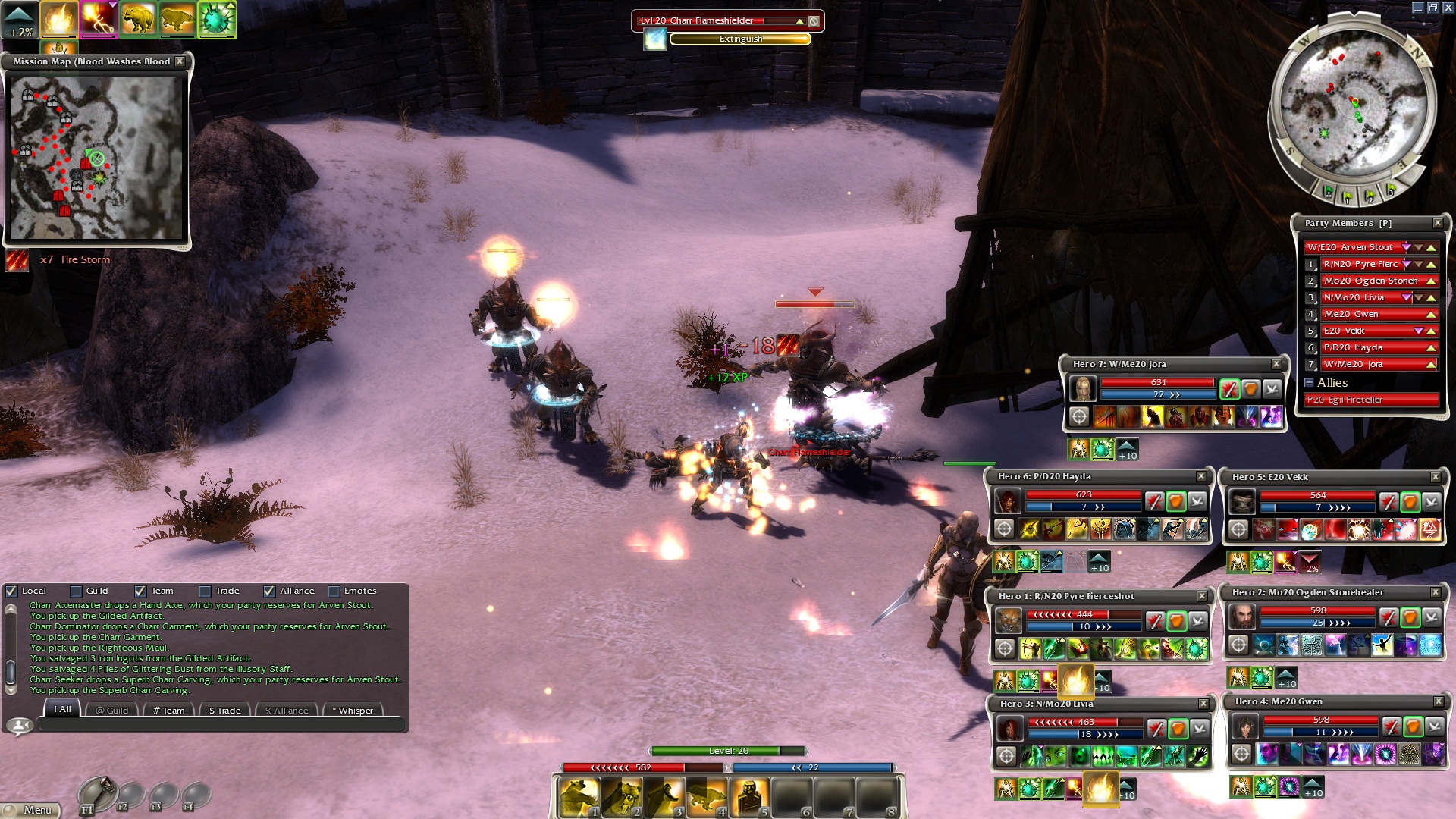
Apart from the overall look of the game – which is obviously a little antiquated, even in its reforged version – one of the first things players will notice is that combat in Guild Wars feels very different from combat in Guild Wars 2.
Guild Wars 2 has only 10 slots for your skills … plus more for your F1 to F5 skills … plus the occasional additional skill that pops up … plus kits that change your skills … For people used to games with multiple bars’ worth of skills, like World of Warcraft or Final Fantasy XIV, it can be a jarring shock to have so few options.
Guild Wars is even more restricted: eight skills, never any more or less. You can only change them out in non-combat areas (more on that in a moment), and you have both health and mana (and occasionally other resources) to manage. “Dynamic” is a word often used to describe GW2, but I’d use “tactical” to describe GW – not slow-paced, necessarily, but requiring more forethought and strategy in most cases.
Where do those eight skills come from? As expected, you have a profession, many of them familiar to Guild Wars 2 players, but Guild Wars characters can also have a secondary profession and use the skills from that. Thus, a warrior might also have elementalist skills, or a ranger might also know mesmer skills.
Unlike the basic unlocks in GW2, skills in Guild Wars are acquired in a variety of ways, from simple purchases from a skill trainer to story quests to “stealing” them from a boss monster in battle, which is how elite skills are typically obtained.
You can use the tab key to target a monster, as usual, but the V key also works by default. Space is your auto-attack button, making for an easy finger/thumb transition from V to Space. Space will also move you toward a friendly character you have targeted, making it easy to auto-path to distant NPCs. It all works well enough, but it can be a bit jarring for someone used to the movement of Guild Wars 2 or other modern MMOs.
If Space is attack, then what is jump? The answer is: nothing. The /jump command will have your character perform a jumping animation, but actual jumping is a thing of the past … er, future. Jumping puzzles hadn’t been invented yet, I suppose.
Into the wilds
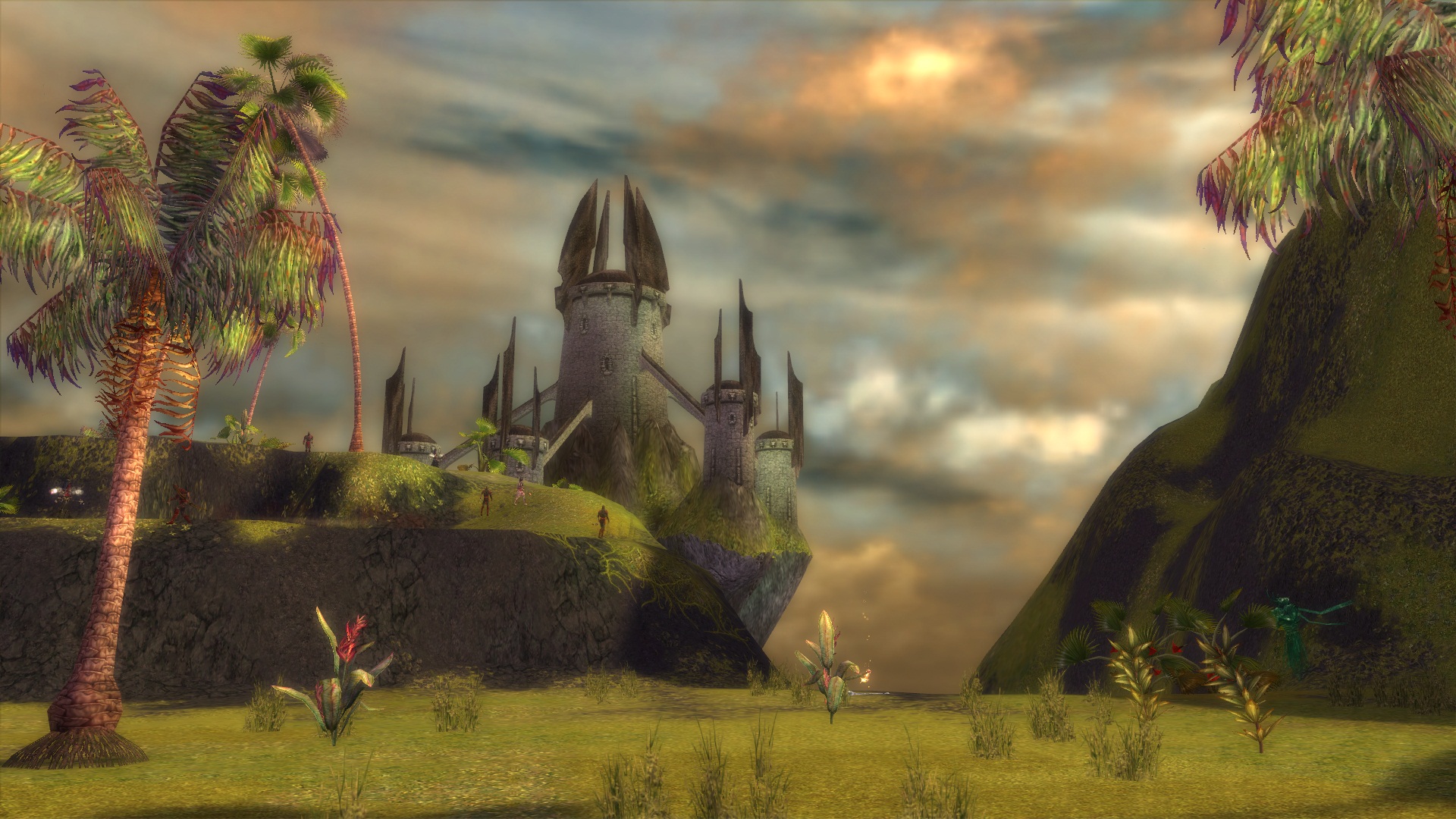
When Guild Wars came out, ArenaNet called it a “co-operative online role-playing game,” or CORPG, as opposed to an MMORPG. That’s because the only places you’d see tons of other players are in non-combat areas like towns. From there, you can head out into instanced combat areas that will only be used by your party and tend to be more linear than the open areas of Guild Wars 2. There are no dynamic events and no chance of coming across a monster in the wild and having other players swoop in to aid you (or fill your screen with flashy effects), which is the expected norm of Guild Wars 2.
These instances are designed for a certain number of characters: four at first, then six, and then eight. If you have to go without the recommended number of human players, you can bring on NPC henchmen who are found in the towns. While they’re generally useful, you’ll later want to replace them with hero characters, who have customizable skill bars, once they become available.
A character who falls in an instance will receive a negative to their maximum health and energy, -15% for every death, up to -60%. You can slowly reduce it by killing monsters or remove it entirely by going back to a town or outpost, but that also resets all your progress in the instance. Sometimes it’s worth it to keep going with the penalties you’ve accumulated and the areas you’ve cleared, while at other times it’s best to start over from scratch and try new tactics or skill combinations.
Worth the price of admission?
Guild Wars is a product of its time. It launched in May 2005, with the bulk of its development happening before World of Warcraft released and changed the MMORPG landscape forever. As such, it’s a generally more challenging game to get into, especially for players accustomed to more modern levels of difficulty and polish.
So why should you try it, especially when a shinier and more modernized game set in the same universe exists? The main reason is to learn the fascinating origins behind some of the characters and elements whose stories still resonate in Guild Wars 2.
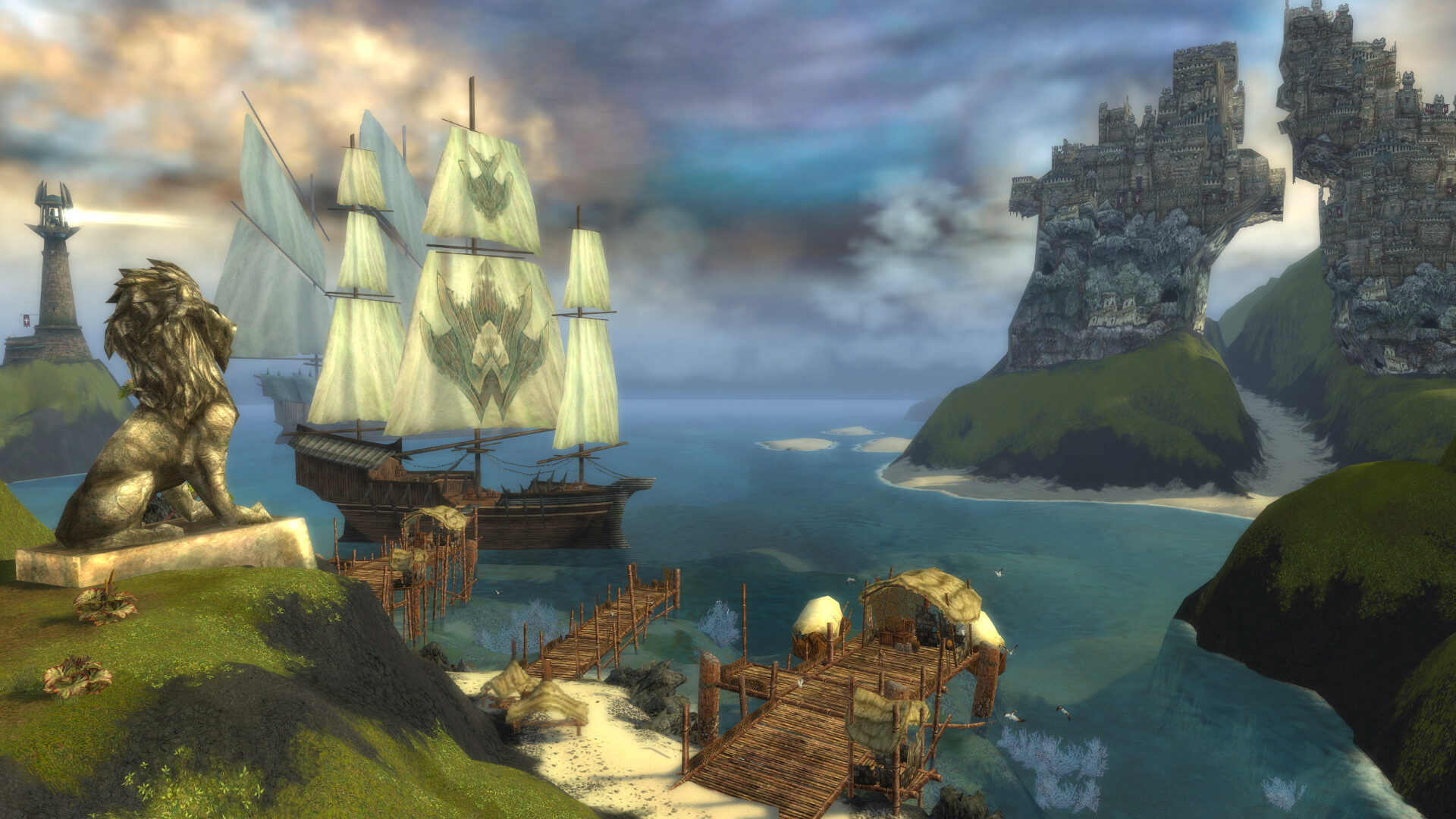
I already mentioned the Pale Tree, but there are plenty of other characters who have prominent roles in Guild Wars 2. Kormir, Gwen, Ogden Stonehealer, Koss, King Adelbern, and Livia can still be found 250 years later, in one way or another, and others who are long-dead still have references in GW2. Plenty of locations, like Lion’s Arch, the Eye of the North, Elona, and Cantha, carry over from one game to the next, though the passing of years has obviously left its toll. You can even find one of the elder dragons, Kralkatorrik, still slumbering in Guild Wars if you know where to look.
Beyond this pseudo-nostalgia, though, Guild Wars stands on its own as an excellent game in its own right. NPC companions have their limits, though, so I’d suggest assembling a group of friends to tackle the game’s content. The rush you get from surviving a story instance is like few others I’ve ever experienced in an online game, whether you call it an MMORPG or a CORPG.
And there’s still no subscription fee, which is standard for most MMORPGs these days, but was revolutionary in 2005. My characters are still around 20 years later, and I hope they’ll be there for 20 more.
Related Articles
About the Author

Jason Winter is a veteran gaming journalist, he brings a wide range of experience to MMOBomb, including two years with Beckett Media where he served as the editor of the leading gaming magazine Massive Online Gamer. He has also written professionally for several gaming websites.
More Stories by Jason WinterRead Next

There are two that stand at the top now.
You May Enjoy
From dark fantasy to cozy, there's a bit of everything.

The global event will culminate at DreamHack Stockholm in November.
It’s also time to celebrate the game’s 2nd Anniversary.

Some interesting buffs, nerfs, and adjustments... Plus some new CC mechanics!
Discussion (0)