Content Gaps Aren’t As Bad As They Used To Be
All we need is just a little patience
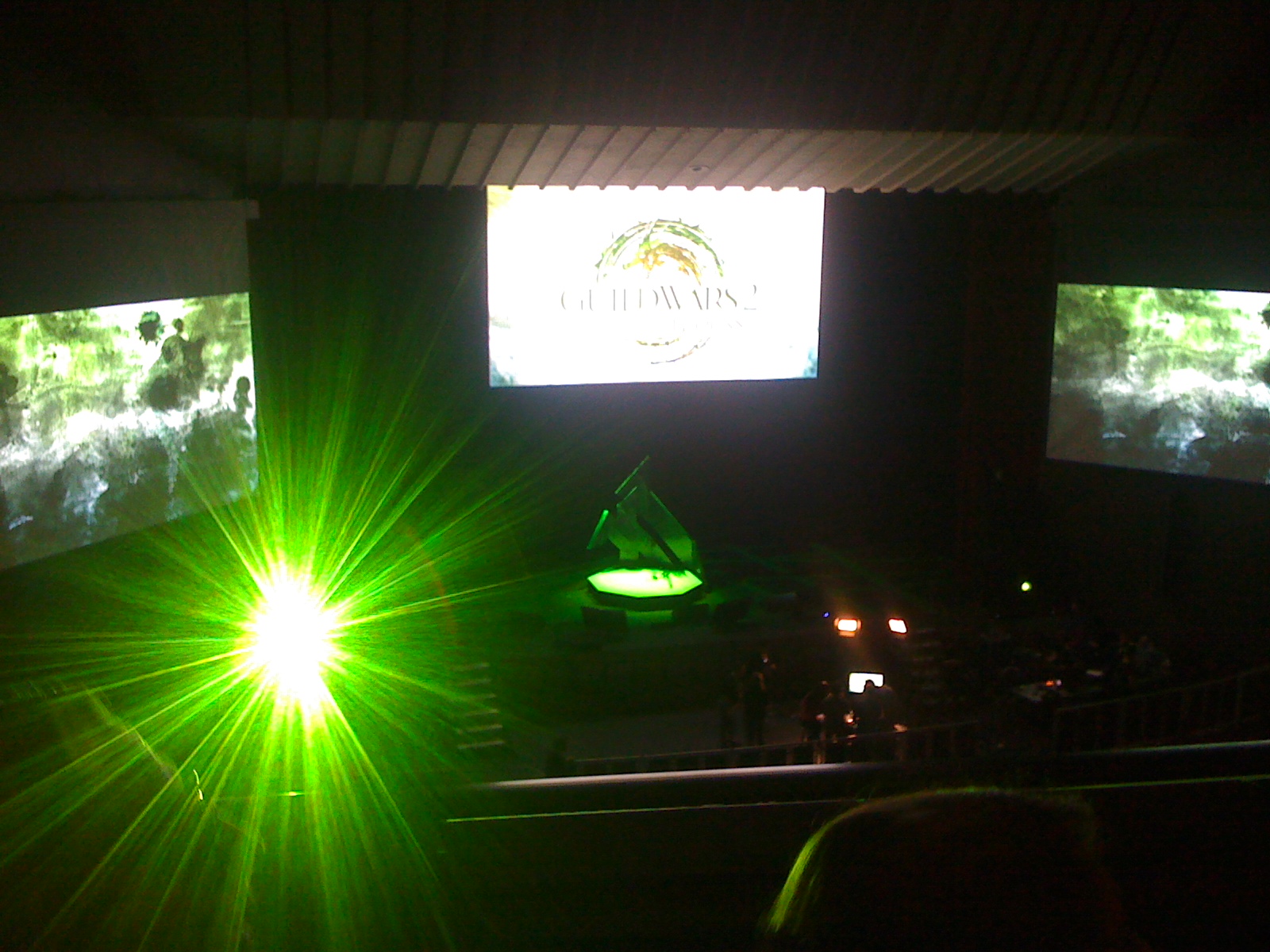
Eleven years and five months ago, I attended the big reveal event for Guild Wars 2’s first expansion, Heart of Thorns, at PAX South in San Antonio. Ten years and eight months ago, the expansion launched.
That’s a span of nine months from announcement (which coincided with the final major pre-expansion content update) and expansion launch. And let me tell you, those nine months were brutal.
This isn’t an attempt to rehash the issues ArenaNet had with finishing the expansion, which was still missing some key pieces when it launched in October 2015, but rather the community’s response to the long gap. Then there were another nine months between the expansion’s launch and the next major content update, which arrived in July 2016.
It wasn’t a good time in the community, especially for a game that had once boasted of updates every two weeks. Even if updates had been on a more normal schedule, say every three to six months, a nine-month gap would have tried even the most ardent fan’s patience. Two of them back-to-back was intolerable.
And yet … in the current time frame, we went about six and a half months between the last expansion’s launch (October 28, 2025) and the latest story chapter (May 12, 2026), with barely a whisper of discontent, at least as far as I can tell.
I’m pondering all this now because it occurs to me that I think those 2015-16 days were the last time I got truly bothered over how long a game was taking for a major update. These days, it doesn’t bother me as much, mostly because I have so many other options to fill the time.
Options galore
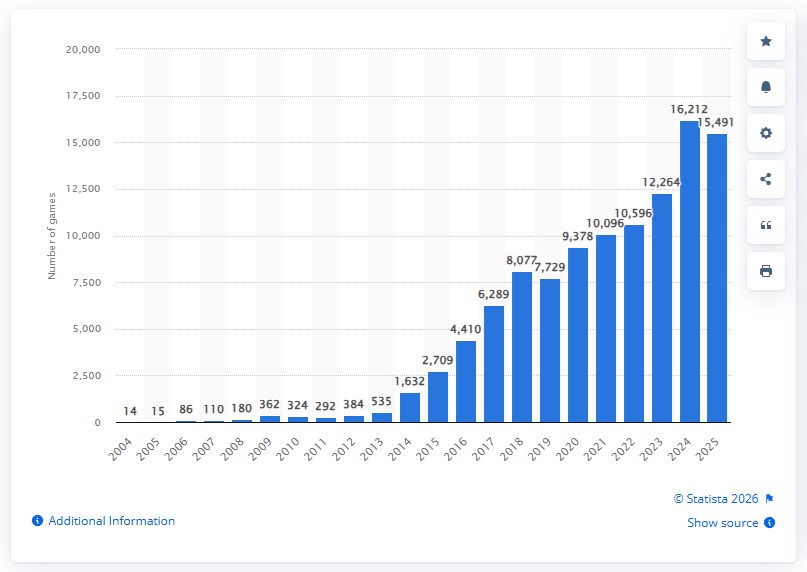
I know 2015-2016 doesn’t seem like it was that long ago (just three or four years, right?), but it was a totally different era, especially when you consider how far gaming has come since then. While there haven’t been many MMORPGs to launch since then – something I wrote about a few months ago – there have been tons of other games to come out since then that are just as big time sucks as MMOs are.
Leading the way are games like Fortnite and Overwatch, and all their battle royale or hero shooter spin-offs and clones. Toss in the proliferation of survival games, autobattlers, the continued presence of MOBAs and old favorites like CS:GO, and the glut of single-player games, or even streaming services, to hold our attention, and suddenly it doesn’t seem like it’s that big a deal for your favorite online game to go months between updates.
That’s how it is for me, at least. The game I’ve followed the most over that time span has been Overwatch, which had a pretty long break in content updates prior to Overwatch 2. While that annoyed me a little bit, I just shrugged my shoulders and mostly played other stuff for a while.
Maybe that’s because I’m maturing (unlikely!) and don’t feel like putting forth the effort to criticize developers, or maybe it’s because I just don’t need that single game anymore to occupy my brain. If one game can’t hold my attention, I’m fine with moving on to some other entertainment product and coming back to my old fave when the time is right.
While not technically an online game (though it does have multiplayer), I’m in that same situation right now with Crusader Kings 3, a game I’ve got nearly 1,700 hours in. The game’s last major update was in October, and last month’s video highlighting the future indicated that the next DLC won’t launch until September of this year. There was a significant “maintenance” update this month, but that’s still nearly a full year between major content drops.
And I’m fine with that.
Truthfully, that game needed a “maintenance pass” badly, and I’m happy to see it get one, even if it comes at the cost of new content. And these days, it seems like more games are able to have extended periods like this, and I think both their players and their corporate overlords are showing a bit more patience.
Taking time to do it right
Like any product, games need to make money. And the surest way to get more money is to release new content. We hear about this all the time in financial reports, how “Expansion X for our game Y pushed our third-quarter revenue to eleventy million dollars” or some variant thereof. That’s no less true for privately owned games that don’t have stockholders to answer to.
So game developers are compelled to release new content regularly to keep the flow of players – and their money – coming. An extended period of no content makes things extremely difficult – both for the developer’s bank accounts and for the poor community managers who have to deal with an increasingly dissatisfied player base.
At least, that’s how it used to be. While most online games have a pretty solid release schedule these days, even skipping a beat or two isn’t the death knell it used to be.
Whenever there’s a merger or acquisition, one of the things we’ll see in the press release announcing it is some flavor of “Being part of BigCompany allows us the flexibility to innovate and provides us with the resources we need to sustain our game for years to come.”
It’s a bit of a cliché these days, but I think there’s a tiny bit of truth to it. I think most developers, and the people who own them, have become more realistic about their chances to produce the next World of Warcraft, League of Legends, or Fortnite. Sure, they still want a big hit, and they want to make money, but the last decade-plus has shown most of them that success like that is mercurial and can’t be planned out, no matter how smart you are (or think you are).
And existing games are allowed to have “down” periods without going away entirely. Sure, there’s still the occasional (or not-so-occasional) mass layoff, but that’s better than complete obliteration.
The example I gave of Guild Wars 2 is a great analogy. From 2013 to 2017, it averaged 23.4 billion Korean won of revenue per quarter. That covered the period starting four months after launch and through two expansion releases.
The next four years, 2018 to 2021, saw only free (though regular) updates and no full expansions, and that number dropped to 17.1 billion. The midpoint of that sad era saw layoffs at ArenaNet in February 2019.
Since then, the company has moved to a more frequent expansion cadence (mandated by NCSoft, I’ve heard), and its revenue has rebounded nicely. But without the ownership of NCSoft, which is oft-lamented by fans, how much worse might it have been?
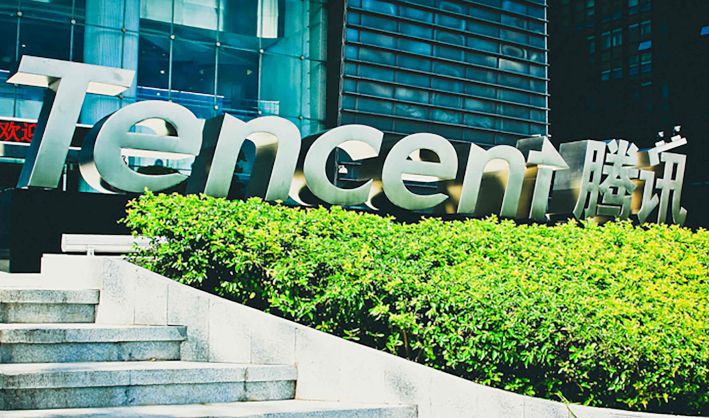
That’s a version of what I described in my own personal life, of how I can deal with larger content gaps because I have plenty of other things to spend my leisure time on. In the same way, companies that own a wide array of developers, like NCSoft, Microsoft, or the biggest elephant in the room, Tencent, can afford to let developers take a little more time to get things right.
It’s not a perfect analogy, because there will always be impatient gamers, or companies, out there that want new stuff (or more money) now, and we still should be wary of any one or a small number of entities controlling too much of the market share, but we seem to be realizing the benefits of such a system, such as they are. If that’s the small good we can squeeze out of all the mergers and acquisitions (and the layoffs that often accompany them), then we might as well go with it.
Related Articles
About the Author

Jason Winter is a veteran gaming journalist, he brings a wide range of experience to MMOBomb, including two years with Beckett Media where he served as the editor of the leading gaming magazine Massive Online Gamer. He has also written professionally for several gaming websites.
More Stories by Jason WinterRead Next
New games in the genre are having a tough time competing.
You May Enjoy
Enter the Imperial Palace and uncover the secret threats to the Jianghu.

The game will support full cross-platform play and progression on launch.
Feature
NCSoft’s Limit Zero Breakers Preview Gives An Idea Of What To Expect From The Upcoming Prologue Test
Learn more about the gacha game before the test arrives.

Erel Light summons sentinels to fight with them.
Discussion (0)